

If you’ve ever caught the flu, one of the first questions that likely came to mind is how long is the flu contagious Understanding this is essential not only for your recovery but also for protecting family, coworkers, and the wider community.
The flu, medically known as Influenza, spreads easily and quickly, especially during seasonal outbreaks. Knowing when you’re most contagious, how long the virus stays active, and what precautions to take can significantly reduce transmission.
This in-depth guide explains everything you need to know, based on medical research and public health guidance, while keeping the information practical and easy to apply in daily life.
Understanding the Flu and How It Spreads
Before answering how long the flu is contagious, it’s important to understand how the virus behaves.
Influenza is a viral respiratory infection that primarily spreads through droplets when an infected person coughs, sneezes, or talks. These droplets can land in the mouths or noses of nearby people or be inhaled into the lungs. The virus can also spread by touching contaminated surfaces and then touching the face.
The contagious nature of the flu is one of the reasons it spreads so rapidly during peak seasons. Crowded environments, poor ventilation, and close contact all increase the risk of transmission.
How Long Is the Flu Contagious?
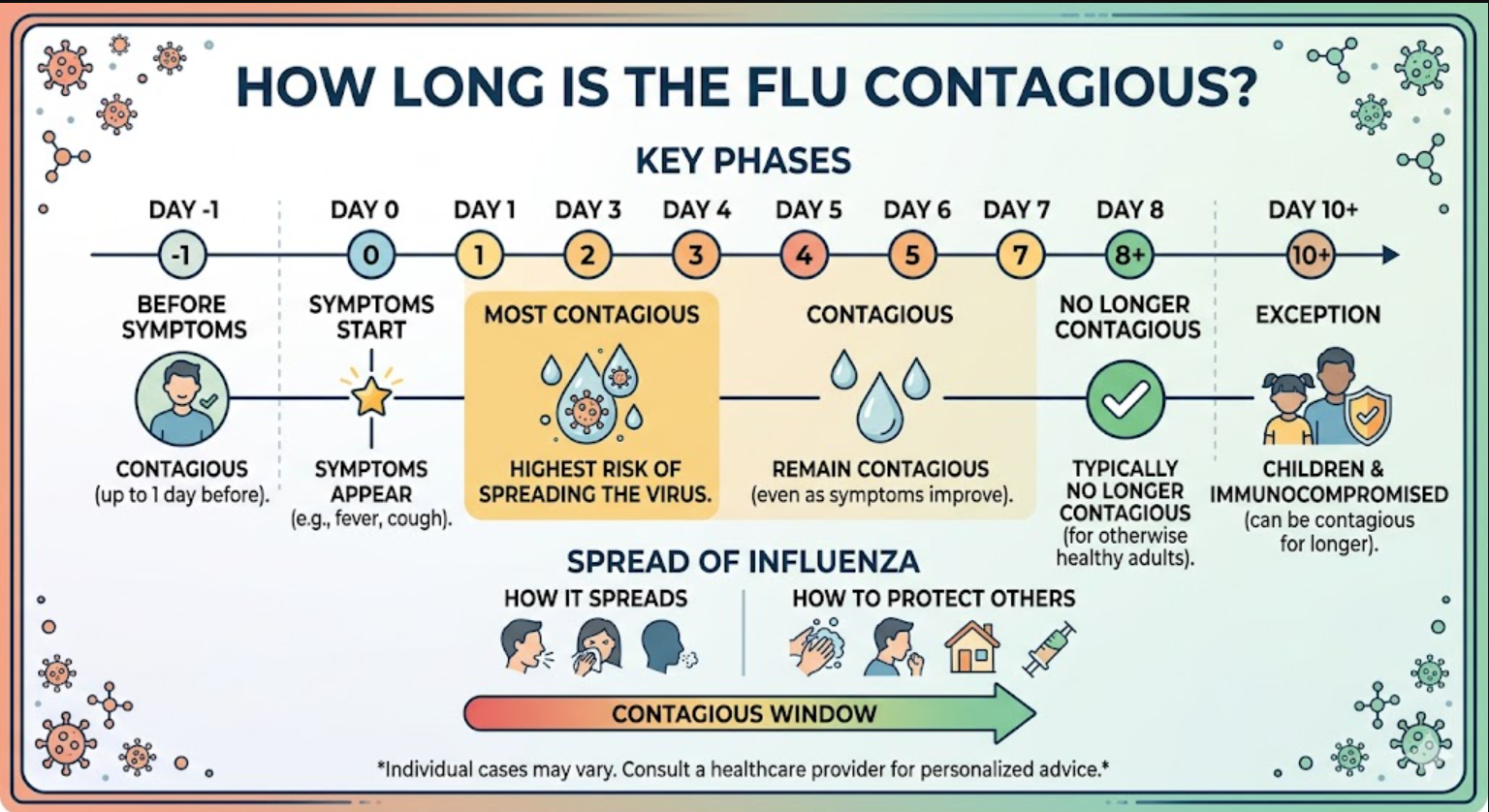
The flu is typically contagious for about five to seven days after symptoms begin. However, the timeline can vary depending on the individual.
Most healthy adults become contagious about one day before symptoms appear and remain infectious for up to a week afterward. This means you can spread the virus even before you realize you’re sick.
Children and individuals with weakened immune systems may remain contagious for a longer period, sometimes exceeding ten days.
When Are You Most Contagious?
The period of highest contagiousness usually occurs within the first three to four days after symptoms begin. During this time, the viral load in the body is at its peak, making transmission more likely.
Also Read: Apple Stock Price Prediction 2030 A Comprehensive Long-Term Investment Outlook
Interestingly, because people can spread the virus before symptoms appear, many infections occur unknowingly. This is one of the biggest challenges in controlling flu outbreaks.
Flu Contagious Timeline Explained
Before Symptoms Start
You may begin spreading the flu about 24 hours before symptoms appear. This pre-symptomatic phase is particularly risky because individuals are often unaware they are infected and continue normal activities.
During Active Symptoms
Once symptoms begin, such as fever, cough, sore throat, body aches, and fatigue, you are highly contagious. This is when most transmissions occur.
After Symptoms Improve
Even after you start feeling better, you may still be contagious for several days. A good rule of thumb is to wait at least 24 hours after your fever subsides without medication before resuming normal activities.
Factors That Affect How Long the Flu Is Contagious
Several variables can influence the duration of contagiousness.
Age plays a significant role. Young children often shed the virus longer than adults, which means they can remain contagious for extended periods.
Also Read: Unique Gift Ideas for Women Thoughtful, Meaningful & Memorable Presents
Immune system strength also matters. People with compromised immunity, such as those undergoing medical treatments or living with chronic illnesses, may take longer to clear the virus.
The severity of the infection can also impact how long the flu is contagious. More severe cases may involve prolonged viral shedding.
Finally, antiviral medications can shorten the duration of symptoms and may reduce the contagious period if taken early.
How Long Should You Stay Home With the Flu?
Staying home is one of the most effective ways to prevent spreading influenza.
Health experts generally recommend staying home for at least 24 hours after your fever has gone away without using fever-reducing medications. This ensures that your body has started to recover and reduces the risk of infecting others.
Returning to work or school too early increases the likelihood of spreading the virus, especially in close-contact environments.
How to Know If You’re Still Contagious
It can be difficult to determine exactly when you’re no longer contagious, but certain signs can help guide you.
Also Read: Good Skills to Put on a Resume A Complete Guide to Standing Out in 2026
If you still have a fever, you are likely still contagious. Persistent coughing and sneezing can also indicate ongoing viral shedding.
Once your fever has resolved and symptoms are significantly improving, your contagiousness decreases. However, caution is still advised for a few additional days.
Preventing the Spread of the Flu
Preventing transmission is just as important as understanding how long the flu is contagious.
Good hygiene practices play a crucial role. Regular handwashing with soap and water helps remove viruses from the skin. Avoid touching your face, especially your eyes, nose, and mouth.
Also Read: Markiseteppe: The Ultimate Guide to Comfort, Protection, and Outdoor Style
Covering your mouth and nose when coughing or sneezing reduces the spread of infectious droplets. Wearing a mask can also be effective, particularly in crowded or indoor settings.
Cleaning frequently touched surfaces such as doorknobs, phones, and countertops helps eliminate the virus from the environment.
Vaccination remains one of the most effective ways to reduce the risk of contracting and spreading influenza. While it may not always prevent infection entirely, it often reduces severity and duration.
Differences Between Flu and Common Cold Contagious Periods
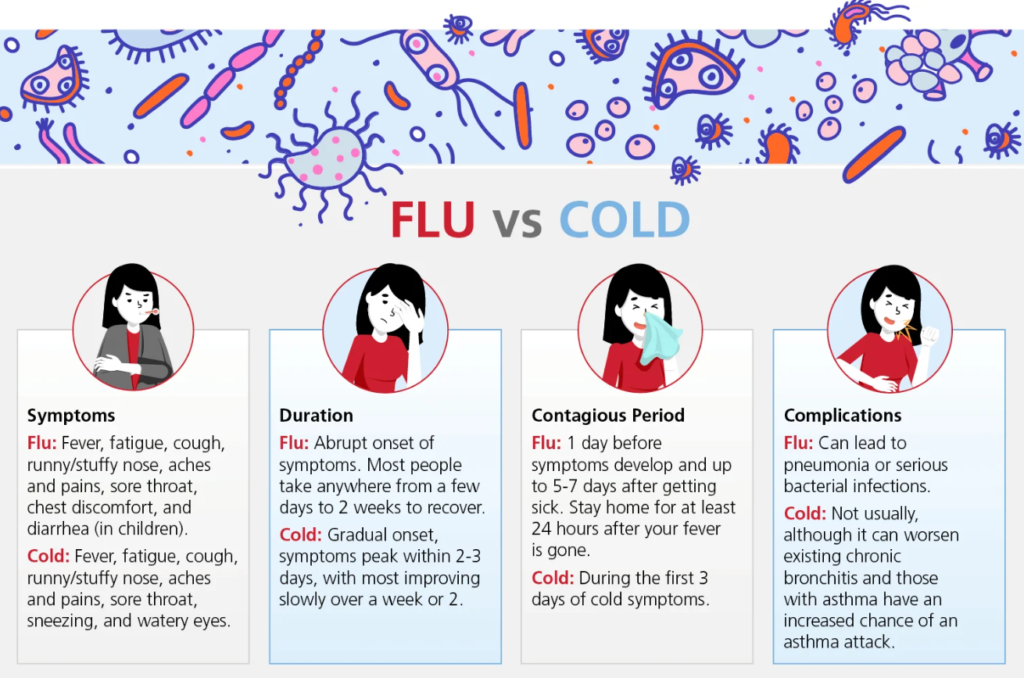
Many people confuse the flu with the common cold, but their contagious periods differ.
The flu tends to have a shorter incubation period but a more intense contagious phase. It also spreads more aggressively.
The common cold may last longer overall but is generally less severe and slightly less contagious in comparison.
Understanding these differences can help you take appropriate precautions depending on the illness.
Special Cases Children and High-Risk Individuals
Children are known to spread the flu more easily and for longer durations. Their immune systems are still developing, and they often have close contact with others in schools and daycare settings.
Also Read:
High-risk individuals, including the elderly, pregnant women, and those with chronic conditions, may experience prolonged illness and contagiousness.
Extra care should be taken around these groups to prevent severe complications and further spread.
The Role of Antiviral Medications
Antiviral medications such as oseltamivir can shorten the duration of flu symptoms and may reduce how long the flu is contagious.
These medications are most effective when taken within the first 48 hours of symptom onset. They work by inhibiting the replication of the virus, allowing the immune system to respond more effectively.
However, they are not a substitute for preventive measures and should be used under medical guidance.
Common Myths About Flu Contagiousness
There are several misconceptions about how long the flu is contagious.
One common myth is that you are no longer contagious once symptoms improve. In reality, you can still spread the virus for several days after feeling better.
Also Read: Japanese Head Spa Benefits: The Ultimate Guide to Healthier Hair and Deep Relaxation
Another misconception is that antibiotics can treat the flu. Since influenza is caused by a virus, antibiotics are ineffective.
Some people also believe that cold weather alone causes the flu. While flu season often coincides with colder months, the virus itself is the actual cause.
Practical Tips for Managing Flu Contagiousness at Home
If you or a family member has the flu, taking certain steps can help limit transmission.
Try to isolate the sick individual in a separate room if possible. Use separate utensils, towels, and personal items to prevent cross-contamination.
Ensure proper ventilation by opening windows or using air purifiers. This reduces the concentration of viral particles in the air.
Encourage rest, hydration, and proper nutrition to support recovery and reduce the duration of illness.
Why Understanding Flu Contagiousness Matters
Knowing how long the flu is contagious is not just about personal health. It has broader implications for public health.
Reducing transmission helps protect vulnerable populations, decreases the burden on healthcare systems, and limits the spread of seasonal outbreaks.
By staying informed and taking responsible actions, individuals can play a significant role in controlling the spread of influenza.
Conclusion
So, how long is the flu contagious? In most cases, the flu is contagious from about one day before symptoms begin to five to seven days after they appear. However, this period can vary depending on age, immune health, and severity of illness.
Also Read: Unique Gift Ideas for Women Thoughtful, Meaningful & Memorable Presents
Understanding this timeline allows you to take appropriate precautions, protect others, and recover more effectively. Simple measures like staying home when sick, practicing good hygiene, and getting vaccinated can make a substantial difference.
The flu may be common, but its impact can be serious. Staying informed is one of the best ways to stay safe.
FAQs
How long is the flu contagious in adults?
Most adults are contagious from one day before symptoms start to about five to seven days after.
Can you spread the flu without symptoms?
Yes, people can spread influenza about 24 hours before symptoms appear.
When is it safe to return to work or school?
It is generally safe after being fever-free for at least 24 hours without medication.
Are children contagious longer than adults?
Yes, children can remain contagious for more than a week, sometimes up to ten days or longer.
Does medication reduce contagiousness?
Antiviral medications may shorten the contagious period if taken early but do not eliminate it entirely.
For more updates visit: MAGAZINE ZILLA
