

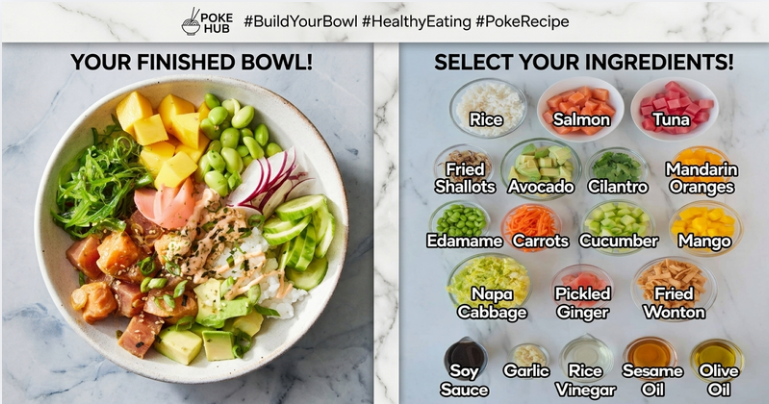
Finding a meal that is fast, incredibly fresh, and genuinely good for you can feel like an impossible task. Enter the vibrant world of the custom seafood bowl. Whether you spell it traditionally or look for a modern poki bowl, this Hawaiian-born culinary masterpiece has taken the global food scene by storm for one simple reason: it offers total control over what you eat without sacrificing an ounce of flavor.
Let’s dive into what makes this dish so special, how to build the perfect bowl at home or your favorite spot, and why its popularity continues to skyrocket.
What is a Poke or Poki Bowl?
The word poke (pronounced poh-kay) originates from Hawaii and literally means “to slice” or “to cut crosswise into pieces.” Traditionally, Native Hawaiian fishermen would cut up the trimmings from their daily catch, season them with whatever sea salt, seaweed, and crushed kukui nuts (candlenuts) they had on hand, and enjoy it as a fresh snack.
Also Read: Understanding the Digital Privacy Phenomenon and Its Legal Consequences
When Japanese immigrants arrived in Hawaii, they introduced soy sauce, sesame oil, and rice. This brilliant culinary fusion evolved over decades into the modern poki bowl we see today: a colorful deconstructed sushi meal served over a warm or cool base, piled high with nutrient-dense toppings, and drizzled with savory or spicy sauces.
Anatomy of the Perfect Poki Bowl
The beauty of ordering or making a bowl lies in its modular structure. By selecting clean ingredients across a few core layers, you can customize your meal to fit any dietary lifestyle, from gluten-free to high-protein or low-carb.
1. The Foundation (The Base)
Every great bowl begins with a solid foundation. While traditionalists lean toward seasoned sushi rice, modern health trends have expanded the options significantly:
- White Sushi Rice: Soft, sticky, and slightly sweet, it offers the most traditional sushi experience.
- Brown Rice: Adds a nutty flavor and an extra dose of fiber.
- Mixed Salad Greens: Perfect for an ultra-light, low-calorie, or keto-friendly meal.
- Tortilla Chips: A fun fusion alternative that turns your bowl into a dip-friendly snack.
2. High-Quality Proteins
The star of the show is your protein choice. While raw, sushi-grade fish is the gold standard, cooked and plant-based alternatives are widely popular:
- Ahi Tuna: The ultimate classic option, featuring a deep red hue and a firm texture.
- Atlantic Salmon: Rich in healthy omega-3 fatty acids, offering a buttery mouthfeel.
- Tofu: A fantastic plant-based alternative that absorbs marinades and sauces beautifully.
- Cooked Shrimp or Octopus: Excellent choices for those who prefer their seafood fully cooked.
3. Fresh Veggies and Toppings
This is where you build color, crunch, and nutritional depth. Mix and match textures to keep every bite interesting:
- Avocado: Adds a rich, creamy contrast to the lean fish.
- Edamame & Cucumber: Provides a clean, refreshing crunch.
- Seaweed Salad (Wakame): Infuses a traditional, salty umami pop.
- Masago (Fish Roe): Tiny orange eggs that give a subtle texture and briny finish.
4. Signature Drizzles and Sauces
Sauce brings the entire bowl together. Depending on your mood, you can lean light and tangy or rich and spicy:
- Classic Shoyu: A clean blend of soy sauce, sesame oil, and ginger.
- Spicy Mayo (Sriracha Aioli): Creamy, rich, and packing a mild kick.
- Ponzu: A citrus-infused soy sauce that provides a refreshing, bright acidity.
Nutritional Breakdown: Traditional vs. Modern Bowls
How healthy is a fresh seafood bowl? The truth is, it depends entirely on your choices. A traditional bowl focused on lean fish and vegetables is a nutritional powerhouse. However, heavy cream sauces and fried toppings can change the profile quickly.
| Component | Traditional Choice | Modern Fusion Alternative | Impact on Nutrition |
| Base | Seasoned White Rice | Kelp Noodles / Salad Greens | Cuts simple carbs and lowers total calories |
| Protein | Raw Ahi Tuna | Spicy Marinated Salmon | Salmon increases healthy omega-3 fats |
| Crunch | Ogo Seaweed / Maui Onions | Crispy Fried Onions / Wonton Chips | Fried options add saturated fats and sodium |
| Sauce | Light Sesame Oil & Shoyu | Spicy Sriracha Mayo | Creamy sauces increase calories and fat |
Step-by-Step: How to Make an Authentic Tuna Bowl at Home
You do not need to be a professional sushi chef to assemble an incredible bowl in your own kitchen. Follow this simple guide to master the process:
1.Prepare the Base:
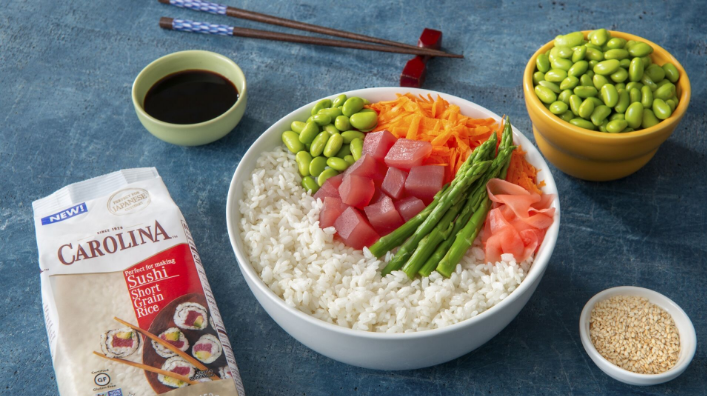
Cook your choice of sushi rice or brown rice. Once cooked, let it cool slightly to room temperature so it does not cook the raw fish when assembled.
2.Prep the Seafood:
Source fresh, sushi-grade tuna from a reputable local fishmonger. Using a very sharp knife, slice the fish into uniform, bite-sized cubes.
3.Marinate the Protein:
In a medium bowl, gently toss your tuna cubes with a splash of soy sauce (shoyu), a drizzle of toasted sesame oil, chopped green onions, and toasted sesame seeds. Let it marinate in the fridge for 10 minutes.
4.Assemble and Garnish:
Scoop your cooled rice base into a wide bowl. Top with the marinated tuna, then arrange your favorite sides—like sliced avocado, edamame, and cucumber—around the edge. Drizzle with a touch of spicy mayo or ponzu right before serving.
The Ultimate Guide to Dietary Customization
One of the reasons the poki bowl model has taken over the fast-casual dining world is its sheer flexibility. You can adapt the template to almost any modern dietary restriction without losing the core experience.
Staying Keto or Low-Carb
To keep your meal entirely ketogenic, swap out the grain base completely. Use a blend of shredded romaine, baby spinach, or even fiber-rich kelp noodles. Stick to clean proteins like raw salmon or tuna, and load up on healthy fats from fresh avocado and sesame oil. Steer clear of sweet sauces like eel sauce or unagi drizzle, which contain hidden sugars.
Keeping it Vegan or Vegetarian
Plant-based eaters can skip the fish entirely while still enjoying a dense, protein-packed meal. Marinated extra-firm tofu or cubed edamame make incredible bases. Enhance the earthy flavors by adding extra layers of seaweed salad, pickled ginger, radish, and a generous sprinkle of furikake (ensure it is a fish-free version).
Conclusion
The modern poki bowl is far more than a passing food trend; it is a permanent evolution in how we approach convenient, healthy eating. By marrying ancient Hawaiian seafood traditions with clean, customizable modern ingredients, it gives everyone a seat at the table. The next time you are looking for a meal that leaves you feeling energized, clear-headed, and completely satisfied, remember that building your own perfect bowl is only a few fresh ingredients away.
FAQs
Is a poke bowl safe to eat if it contains raw fish?
Yes, provided you are sourcing “sushi-grade” or “sashimi-grade” fish. This indicates that the seafood was caught, handled, and flash-frozen rapidly at temperatures low enough to kill potential parasites, making it completely safe for raw consumption.
What is the difference between poke and sushi?
While both feature raw fish and rice, sushi originates from Japan and focuses on tightly rolled or precisely pressed vinegared rice. Poke originates from Hawaii and features roughly cubed fish that is tossed casually in a bowl with simple marinades and various toppings.
How many calories are typically in a standard bowl?
A clean bowl built with salad greens, raw tuna, and fresh vegetables can be as low as 400 calories. However, a large bowl featuring double white rice, fatty salmon, avocado, and heavy spicy mayo can easily reach 800 to 1,000 calories.
Can I store leftover seafood bowls for the next day?
If your bowl contains raw fish, it is best consumed immediately. While you can safely store leftovers in the refrigerator for up to 24 hours, the acids in the sauces will alter the delicate texture of the raw fish, and your rice base may become hard.
For more updates visit: MAGAZINE ZILLA
