

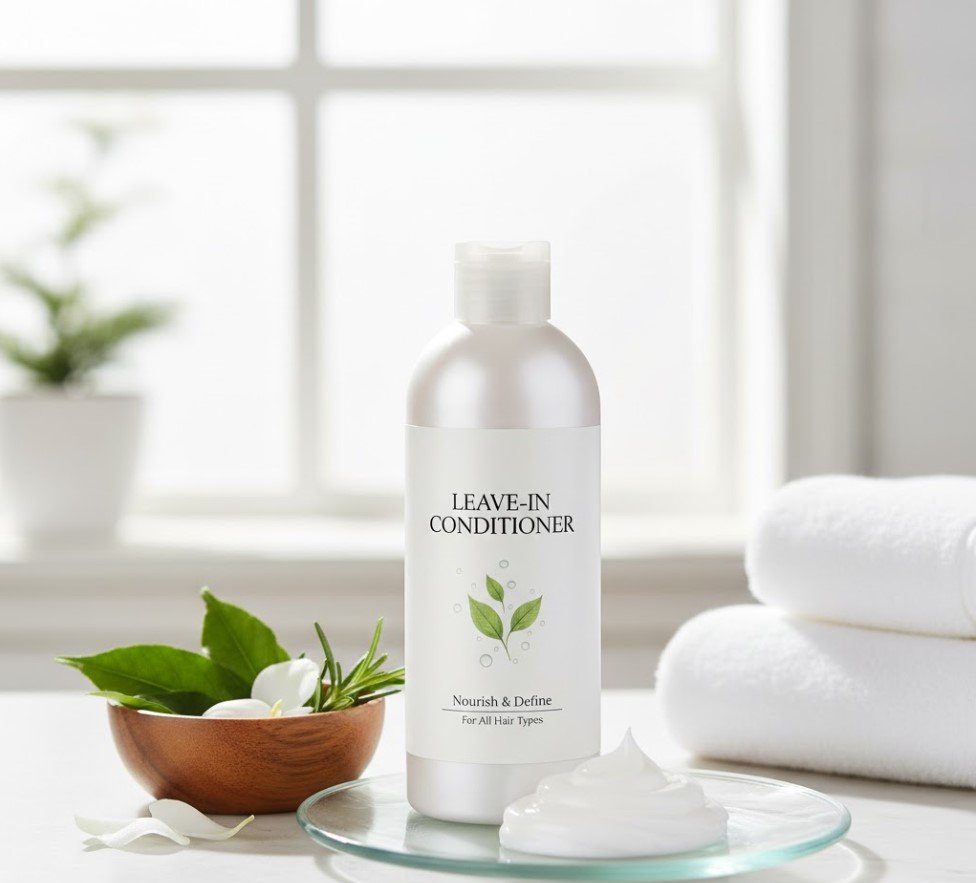
Healthy hair does not happen by accident. It is the result of consistent care, informed product choices, and an understanding of what your hair truly needs. Among the many products available today, leave in conditioner has earned a permanent place in modern haircare routines. It is trusted by professionals, recommended by dermatologists, and loved by everyday users because of its versatility and long-lasting benefits. This in-depth guide explores everything you need to know about leave in conditioner, from how it works and why it matters to how you can use it effectively for your specific hair type. By the end, you will understand why this single product can transform dull, dry, or damaged hair into smooth, manageable, and resilient strands.
What Is Leave In Conditioner and Why It Matters
Leave in conditioner is a lightweight conditioning product designed to remain on the hair without being rinsed out. Unlike traditional rinse-out conditioners that work briefly in the shower, a leave in conditioner continues to protect and nourish hair throughout the day. Its formulation is typically lighter, allowing it to hydrate, detangle, and shield hair without weighing it down.
Also Read: TimesHealthMag Nutrition Your Ultimate Guide to Expert‑Backed Healthy Eating
The importance of leave in conditioner lies in its ability to provide ongoing moisture and protection. Hair is exposed daily to environmental stressors such as sunlight, pollution, heat styling, and friction from clothing or pillows. Over time, these factors weaken the hair cuticle, leading to dryness, breakage, and frizz. A leave in conditioner acts as a supportive barrier, helping hair retain moisture and resist damage while improving softness and shine.
How Leave In Conditioner Works on a Scientific Level
From a scientific perspective, leave in conditioner works by coating the hair shaft with conditioning agents that smooth the cuticle and reduce moisture loss. Hair strands are composed primarily of keratin, a protein that can become brittle when deprived of water and lipids. Leave in conditioner formulations often include humectants that attract moisture, emollients that soften the hair, and film-forming ingredients that protect against external damage.
When applied correctly, a leave in conditioner fills microscopic gaps in the cuticle, reducing friction between strands. This leads to easier detangling, less breakage during styling, and improved elasticity. Over time, consistent use can help hair appear thicker, healthier, and more resilient, even if the product does not permanently repair damage.
The Difference Between Leave In Conditioner and Regular Conditioner
Although both products serve a conditioning purpose, their roles are distinct. A rinse-out conditioner primarily works inside the shower to smooth and soften hair after cleansing. It is heavier and designed to be washed away after a few minutes. Leave in conditioner, on the other hand, is formulated for prolonged contact with hair.
Also Read: Essential Baby and Toddler Equipment Lumolog: A Complete Guide for New Parents
The lighter texture of leave in conditioner allows it to remain effective without buildup. It focuses on long-term hydration, protection, and manageability rather than immediate softness alone. Many people benefit from using both types together, as they address different stages of the haircare process and provide complementary benefits.
Key Benefits of Using Leave In Conditioner Regularly
One of the most noticeable benefits of leave in conditioner is improved moisture retention. Dry hair often struggles to hold onto water, especially if it is chemically treated or frequently heat styled. Leave in conditioner helps seal moisture into the hair shaft, preventing dryness and brittleness.
Another major benefit is frizz control. Frizz occurs when hair absorbs moisture unevenly from the environment, causing strands to swell and lose definition. By smoothing the cuticle and balancing moisture levels, leave in conditioner helps hair maintain a polished appearance in various climates.
Leave in conditioner also enhances detangling, making hair easier to comb or brush without pulling or snapping. This is especially valuable for long hair, curly hair, or fragile hair types that are prone to breakage. Over time, reduced mechanical damage leads to healthier hair growth and improved length retention.
Leave In Conditioner for Different Hair Types
Not all hair types have the same needs, and understanding how leave in conditioner interacts with your specific hair texture is essential. Fine hair benefits from lightweight formulas that provide hydration without flattening volume. When used sparingly, leave in conditioner can add softness and manageability while maintaining body.
Thick or coarse hair often requires richer formulations that deeply moisturize and smooth the cuticle. Leave in conditioner helps control dryness and enhances shine, making thick hair easier to style and maintain. Curly and wavy hair types particularly benefit from leave in conditioner because curls naturally struggle with moisture retention. Regular use supports curl definition, reduces frizz, and improves elasticity.
Also Read: LivPure Supplement Colibrim A Natural Solution for Weight Loss and Liver Health
For damaged or color-treated hair, leave in conditioner is almost essential. Chemical processes weaken the hair structure and increase porosity, making strands more vulnerable to moisture loss. A leave in conditioner helps reinforce the hair’s protective barrier, extend color vibrancy, and reduce the appearance of damage.
How to Apply Leave In Conditioner Correctly
Proper application plays a crucial role in achieving the best results from leave in conditioner. Hair should be clean and damp, as this allows the product to distribute evenly and lock in moisture. Applying leave in conditioner to soaking wet hair may dilute its effectiveness, while applying it to completely dry hair can result in uneven coverage.
The amount used depends on hair length, thickness, and texture. Using too little may limit benefits, while using too much can lead to buildup or a greasy feel. Focusing application on mid-lengths and ends, where hair is most prone to dryness and damage, ensures optimal results without weighing down the roots.
Common Ingredients Found in Leave In Conditioner
The effectiveness of a leave in conditioner depends largely on its ingredients. Many formulas include humectants such as glycerin or aloe vera that attract and retain moisture. Emollients like natural oils and butters help soften the hair and improve flexibility.
Proteins are another common component, especially in products designed for damaged hair. These ingredients temporarily reinforce weak areas along the hair shaft, reducing breakage and improving strength. Botanical extracts and vitamins are often added for their antioxidant properties, supporting scalp health and protecting hair from environmental stress.
Also Read: Sodiceram The Future of High-Performance Ceramic in Modern Design
Understanding ingredient lists helps consumers choose a leave in conditioner that aligns with their hair goals and sensitivities. Those with fine or oily hair may prefer lighter formulations, while dry or textured hair often benefits from richer blends.
Leave In Conditioner and Heat Styling Protection
Heat styling is a major contributor to hair damage, and leave in conditioner plays an important role in minimizing its effects. Many leave in conditioners provide a protective layer that reduces direct heat exposure to the hair shaft. While they do not make hair immune to heat damage, they significantly lower the risk when used consistently.
By improving moisture balance and elasticity, leave in conditioner helps hair withstand styling tools such as blow dryers, flat irons, and curling wands. Hair that is well hydrated is less likely to crack or split under high temperatures, resulting in smoother styles and reduced long-term damage.
The Role of Leave In Conditioner in Hair Growth and Length Retention
Although leave in conditioner does not directly stimulate hair follicles, it supports hair growth indirectly by preserving length. Breakage is one of the primary reasons people struggle to grow longer hair. When strands snap faster than new growth appears, length remains stagnant.
Regular use of leave in conditioner reduces breakage by improving flexibility and minimizing mechanical stress. Hair that detangles easily and resists dryness is less likely to split or break, allowing natural growth to become more visible over time. This makes leave in conditioner an essential tool for anyone focused on longer, healthier hair.
Professional Insights and Expert Recommendations
Haircare professionals frequently recommend leave in conditioner as a foundational product for all hair types. Dermatologists emphasize its role in maintaining the hair’s moisture barrier, while stylists value its ability to improve manageability and styling results.
Experts agree that consistency matters more than occasional use. Incorporating leave in conditioner into a daily or regular routine provides cumulative benefits that become more noticeable with time. When paired with gentle cleansing and minimal heat exposure, leave in conditioner contributes significantly to overall hair health.
Addressing Common Myths About Leaves In Conditioner
A common misconception is that leaves in conditioner makes hair greasy. In reality, this usually results from using too much product or selecting a formula unsuited to one’s hair type. When applied correctly, leaves in conditioner enhances softness without heaviness.
Another myth is that leaves in conditioner replaces all other haircare products. While it is highly beneficial, it works best as part of a balanced routine that includes cleansing, conditioning, and protective practices. Understanding its role prevents unrealistic expectations and maximizes results.
Environmental and Lifestyle Factors That Increase the Need for Leave In Conditioner
Modern lifestyles expose hair to numerous stressors that increase the need for leave in conditioner. Urban pollution can coat hair with particles that dry and weaken strands. Sun exposure breaks down proteins in the hair, leading to fading and brittleness.
Frequent swimming, especially in chlorinated or saltwater environments, strips hair of natural oils. Leave in conditioner helps counteract these effects by restoring moisture and creating a protective layer. For individuals with active lifestyles or those living in harsh climates, leave in conditioner becomes an essential daily defense.
Choosing the Right Leave In Conditioner for Your Needs
Selecting the right leave in conditioner requires understanding your hair’s texture, porosity, and condition. Lightweight sprays or lotions suit fine hair, while creams and milks cater to thicker or curlier textures. Those with sensitive scalps may prioritize fragrance-free or gentle formulations.
Reading product labels and paying attention to how hair responds over time helps refine choices. The best leave in conditioner is one that meets your hair’s specific needs while fitting seamlessly into your routine.
Long-Term Benefits of Consistent Use
The true value of leave in conditioner becomes apparent with consistent use. Over weeks and months, hair appears smoother, shinier, and easier to manage. Reduced breakage leads to improved length retention, while enhanced moisture balance supports overall scalp and hair health.
Unlike quick-fix treatments, leave in conditioner works gradually, supporting the hair’s natural structure rather than masking problems. This long-term approach aligns with expert recommendations for sustainable haircare.
Leave In Conditioner in Modern Haircare Trends
As consumers become more educated about hair health, leaves in conditioners continues to gain popularity. Minimalist routines emphasize multifunctional products, and leaves in conditioners fits this trend by offering hydration, protection, and styling support in one step.
Social media and professional education have also highlighted the importance of moisture retention, especially for textured and curly hair. This has reinforced the role of leaves in conditioner as a staple product rather than an optional extra.
Conclusion
Leaves in conditioner is more than just an additional step in your routine. It is a daily ally that protects, hydrates, and strengthens hair against the challenges of modern life. By providing continuous moisture, reducing breakage, and enhancing manageability, it supports healthier hair from root to tip.
When chosen thoughtfully and used consistently, leaves in conditioner delivers lasting benefits for all hair types. It reflects a proactive approach to haircare, focusing on prevention, protection, and long-term health rather than temporary fixes. For anyone seeking stronger, smoother, and more resilient hair, leaves in conditioner is an indispensable investment.
For more updates visit: MAGAZINE ZILLA

1 Comment
Pingback: Bali Travel Guide Your Ultimate Companion to Paradise -