

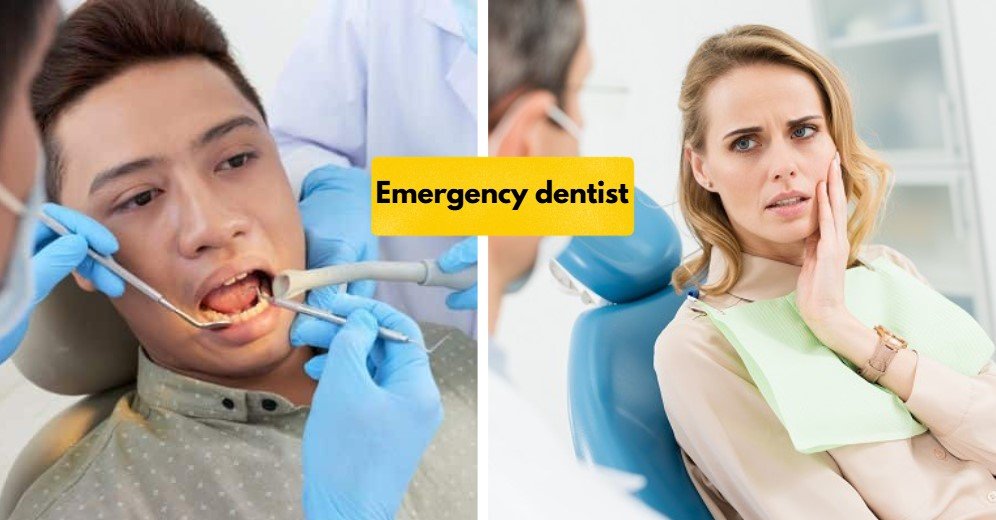
Dental emergencies can strike at any time. Whether it’s a sudden toothache, a broken crown, or a knocked-out tooth, knowing where to turn for immediate care can save your smile and prevent further complications. An emergency dentist provides timely and professional treatment for urgent dental issues, ensuring patients get relief quickly and effectively.
What is an Emergency Dentist?
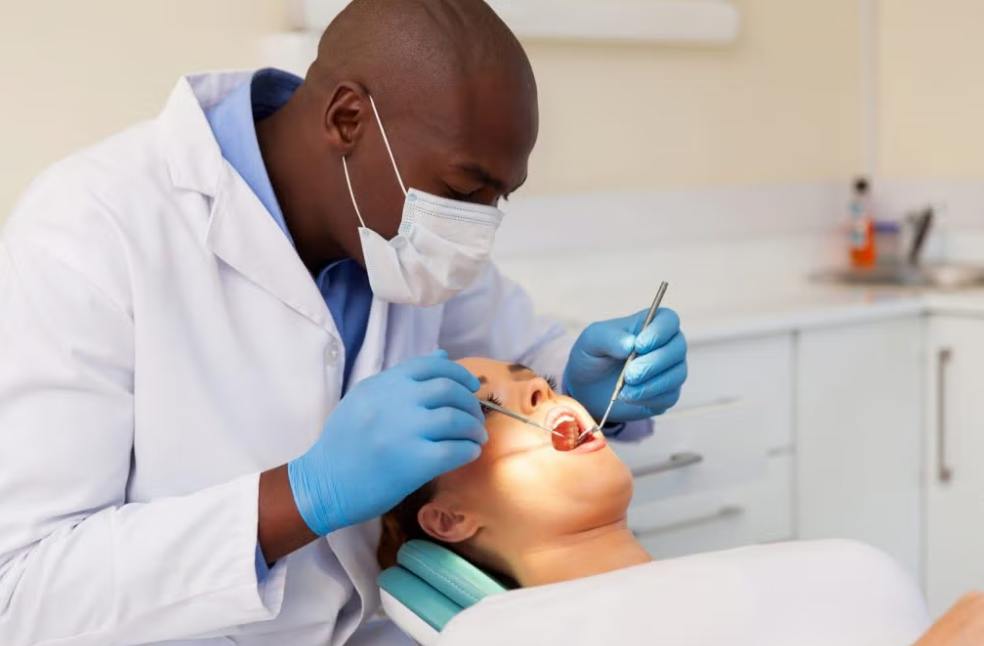
An emergency dentist is a dental professional who specializes in urgent care for dental problems that require immediate attention. Unlike regular dentists who schedule appointments weeks in advance, emergency dentists are available for same-day treatment, often outside regular office hours.
Dental emergencies can include:
- Severe tooth pain or sensitivity
- Broken, cracked, or chipped teeth
- Knocked-out teeth
- Abscessed teeth or infections
- Injuries to the gums, lips, or tongue
Prompt care from an emergency dentist prevents complications such as infection, permanent tooth damage, and prolonged pain.
Common Reasons People Visit an Emergency Dentist
1. Severe Tooth Pain
A persistent or sudden toothache is one of the most common reasons for emergency dental visits. It can be caused by cavities, infections, or trauma. Ignoring severe pain can lead to worsening infections and even tooth loss.
2. Knocked-Out or Loose Teeth
Accidents or sports injuries can result in a tooth being knocked out or loosened. Quick intervention increases the chances of saving the tooth. An emergency dentist can properly clean, reposition, and stabilize it.
3. Broken or Chipped Teeth
A cracked or chipped tooth not only affects your smile but also exposes nerves, increasing the risk of infection. Immediate dental care can restore functionality and prevent further damage.
4. Abscessed Teeth
Dental abscesses are infections that can spread quickly if untreated. Symptoms include swelling, severe pain, and fever. Emergency dentists can drain the abscess and prescribe antibiotics to prevent serious complications.
5. Lost Fillings or Crowns
If a filling or crown falls out, it exposes the tooth to decay and sensitivity. Emergency dental care can temporarily restore protection and prevent damage until a permanent solution is applied.
How to Find an Emergency Dentist

Finding a reliable emergency dentist quickly is crucial. Here’s how:
- Search Online: Use terms like “emergency dentist near me” to find nearby clinics.
- Check Availability: Look for dentists who offer 24/7 services or after-hours appointments.
- Read Reviews: Patient reviews can help identify trustworthy and experienced professionals.
- Ask About Services: Confirm that the dentist handles urgent cases like tooth extractions, broken teeth, and abscess treatment.
What to Expect During an Emergency Dental Visit
When you visit an emergency dentist, you can expect:
- Immediate Assessment: The dentist evaluates the severity of the problem.
- Pain Management: Local anesthesia or medication may be used to control discomfort.
- Treatment Plan: Depending on the issue, treatment may include filling cavities, tooth extraction, root canal therapy, or temporary restorations.
- Follow-Up Care: The dentist provides instructions to prevent complications and schedules follow-up appointments if needed.
Tips for Handling a Dental Emergency at Home
While waiting for professional care, you can manage symptoms:
- Toothache: Rinse with warm salt water, avoid extreme temperatures, and take over-the-counter pain relievers.
- Knocked-Out Tooth: Handle by the crown, rinse gently, and place in milk or saliva to preserve it.
- Broken Tooth: Rinse mouth, save the pieces, and cover sharp edges with sugarless gum or dental wax.
- Swelling or Abscess: Apply a cold compress and avoid pressing on the area.
Preventing Dental Emergencies
Regular dental care reduces the risk of emergencies. Key practices include:
- Brushing twice daily and flossing regularly
- Avoiding hard foods that can break teeth
- Wearing mouthguards during sports
- Scheduling routine dental check-ups
Conclusion
Dental emergencies can be painful and stressful, but timely intervention from an emergency dentist can make all the difference. Knowing where to go, understanding the types of emergencies, and taking preventive measures help protect your oral health and maintain a confident smile. Don’t wait until a dental issue worsens—seek immediate care from a qualified emergency dentist.
FAQs
Q1: When should I visit an emergency dentist?
A: If you experience severe pain, trauma, knocked-out teeth, or infections, you should seek immediate dental care.
Q2: Do emergency dentists work on weekends or holidays?
A: Many emergency dental clinics offer extended hours, including weekends and holidays. Always confirm availability before visiting.
Q3: Will my insurance cover emergency dental care?
A: Coverage varies by provider. Most dental insurance plans cover urgent treatments, but it’s best to check with your insurance company.
Q4: Can a knocked-out tooth be saved?
A: Yes, if treated promptly. Place the tooth in milk or saliva and see an emergency dentist immediately.
Q5: How can I manage pain until I reach the dentist?
A: Use over-the-counter pain relievers, avoid chewing on the affected side, and rinse with warm salt water.
For more updates visit: MAGAZINE ZILLA
