

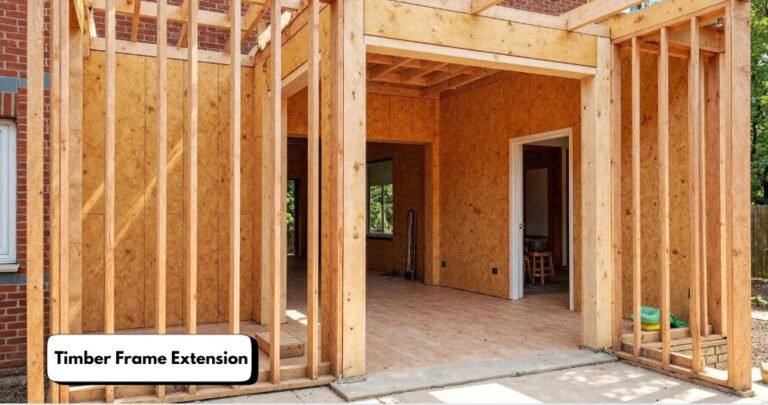
Are you considering a home extension? If so, you’ve probably come across various options like brick, block, and timber frame extensions. Among these, timber frame extensions have gained popularity due to their sustainability, quick construction time, and attractive design. In this article, we explore what a timber frame extension is, its benefits, the building process, and why it might be the ideal solution for your project.
What is a Timber Frame Extension?
A timber frame extension uses a framework of timber posts, beams, and studs as the main structure of the building. The framework is then insulated and covered with cladding, offering both strength and energy efficiency. Homeowners use this extension style to create extra rooms, expand kitchens, or add conservatories.
Timber used in these extensions often comes from sustainable forests, making this an eco-friendly option. Moreover, timber frames provide excellent insulation, helping maintain a comfortable indoor temperature year-round.
Why Choose a Timber Frame Extension?
1. Eco-Friendly Construction
Timber frame extensions are a sustainable choice. Timber is a renewable resource. When sourced from sustainably managed forests, it has a lower carbon footprint compared to materials like brick or concrete. Additionally, timber frames improve energy efficiency due to their excellent insulation, which can reduce your energy costs.
2. Speed of Construction
Timber frame extensions are faster to build than traditional brick or stone extensions. The timber frame is prefabricated off-site, which reduces the overall construction time. Depending on the design and size, a timber frame extension can typically be completed in just a few weeks, not months.
3. Design Flexibility
Timber frames offer great design flexibility. Whether you want a single-storey extension, a two-storey addition, or a custom design with large windows or open spaces, timber frames can accommodate all these needs. Timber allows for creative designs that can match the unique character of your home.
4. Cost-Effectiveness
Timber frame extensions are often more affordable than traditional brick or stone extensions. Timber is generally less expensive than masonry, and since the construction time is shorter, labor costs are also reduced. If you want to expand your property without spending too much, timber frame extensions offer a cost-effective solution.
5. Improved Insulation and Energy Efficiency
Timber frame extensions are known for their superior insulation. The timber frame can be filled with high-performance insulation, which helps keep your home warm in winter and cool in summer. This improved energy efficiency reduces heating and cooling costs, making your home more comfortable and sustainable.
The Timber Frame Extension Building Process
The construction of a timber frame extension involves several key stages. These include design and planning, groundwork, timber frame construction, cladding and insulation, and finishing touches.
1. Planning and Design
Before starting the project, you need to work with an architect or designer to create a plan for the extension. The design will take into account your needs, preferences, and the limitations of your existing property. You must also ensure the design complies with local planning regulations and building codes. In the UK, you may need to apply for planning permission, although certain extensions might fall under permitted development rights.
2. Preparation and Groundwork
Once the design is approved, site preparation begins. This includes clearing the area and laying a solid foundation. The foundation must be level and strong enough to support the weight of the timber frame and the building materials.
3. Timber Frame Construction
The timber frame is usually prefabricated off-site in a factory, where it’s cut to size and pre-drilled. This ensures quick and precise assembly on-site. After delivery, skilled builders assemble the frame, and the process is faster than traditional brick-laying.
4. Cladding and Insulation
After the frame is in place, insulation and cladding are added. The insulation is inserted between the frame’s gaps, enhancing the extension’s energy efficiency. You can choose from various cladding options, such as timber, brick, or render, to suit the look of your home.
5. Finishing Touches
The final step is the interior work. This includes plastering, flooring, painting, and installing utilities like plumbing and electrical systems. Once completed, your new extension is ready to use.
Considerations When Choosing a Timber Frame Extension
Before deciding on a timber frame extension, consider the following points:
- Planning and Building Regulations: Always check local planning regulations. You may need planning permission depending on the size and location of the extension. The work must also meet building regulations for safety and structural integrity.
- Maintenance: Timber is durable but requires regular maintenance to prevent damage. Check for signs of damp or wood rot, and treat or repaint the cladding as needed.
- Cost: While timber frame extensions are typically more affordable than brick extensions, the price can vary based on the design, materials, and location. Get multiple quotes from builders to compare prices.
Conclusion
A timber frame extension is a great way to expand your home. It offers sustainability, quick construction, and energy efficiency. With flexibility in design and a lower cost compared to traditional methods, it’s a popular choice for homeowners in the UK. Whether you need more space for a new room, a larger kitchen, or a garden room, a timber frame extension offers the perfect combination of style, practicality, and eco-friendliness.
If you’re thinking about a timber frame extension, consult a professional to ensure the project meets your needs and complies with regulations. With proper planning and expertise, you’ll have a beautiful and functional space that enhances your home for years to come.
For more updates visit: MAGAZINE ZILLA

0 Comments