

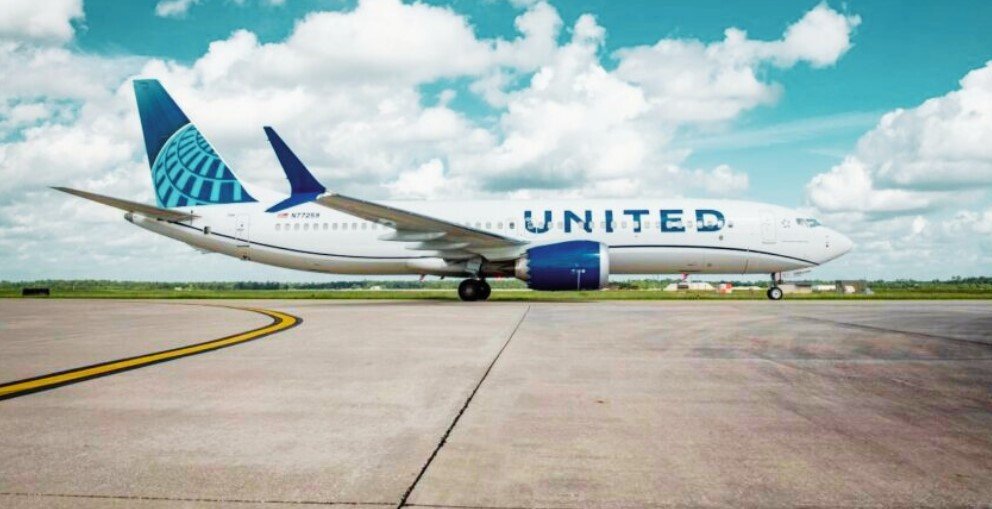
On May 27, 2025, United Airlines Flight UA770, traveling from Barcelona El Prat Airport (BCN) to Chicago O’Hare International Airport (ORD), declared an emergency mid-air and made an unexpected diversion to London Heathrow Airport (LHR).
The Incident
The flight, operated by a Boeing 787-9, took off from Barcelona as scheduled. However, about 90 minutes into the flight, while cruising over the Atlantic Ocean, the crew detected a potential issue with the cabin pressurization system. This prompted the crew to take immediate action, declaring a general emergency by setting the transponder to “squawk 7700,” a code used to signal such emergencies to air traffic control.
Rather than continuing to Chicago, the crew decided to divert to Heathrow Airport, one of the most well-equipped international airports in Europe for handling such issues. The plane landed safely on Runway 27R at Heathrow without any further complications.
Crew Response and Passenger Experience
Despite the emergency declaration, passengers reported that the cabin crew remained calm and reassuring. Although an emergency was declared, no oxygen masks were deployed, and there were no signs of sudden cabin depressurization, indicating the situation was under control. Passengers appreciated the professionalism of the crew, who worked to keep everyone informed throughout the situation.
After the plane safely landed, United Airlines promptly arranged for rebooking options for passengers, along with providing meal vouchers and hotel accommodations for those affected by the delay.
Safety Protocols and investigations
The diversion was a clear example of how air safety protocols work. The crew identified the pressurization problem early, took action, and safely diverted the flight to a nearby airport with the necessary facilities to handle the situation.
Although the exact cause of the problem is still under investigation, early reports suggest it was a malfunction in the cabin pressurization system, rather than a more severe mechanical failure.
Impact on Passengers and the Airline
For the passengers, the diversion meant delays and changes to their travel plans, but all made it to the ground safely. This event also highlights how airlines handle emergencies quickly and efficiently. United Airlines, in particular, was praised for its quick response in providing assistance and updates to passengers.
For the aviation industry, this incident serves as a reminder of the importance of proactive maintenance, well-trained crews, and proper safety infrastructure in handling emergencies.
Key Takeaways for Travelers
- If you ever hear about a diversion due to technical or pressurization issues, it doesn’t necessarily mean a disaster. As seen with UA770, it can simply be a precautionary decision to ensure passenger safety.
- Major airports like Heathrow are selected for their advanced technical capabilities and emergency-response readiness, ensuring that such diversions can be handled effectively.
- Calm and professional communication from the cabin crew can make a big difference in helping passengers stay calm during such events.
- After every emergency, airlines and safety bodies investigate the cause and update safety protocols to prevent future incidents.
Conclusion
The diversion of United Airlines Flight UA770 is an example of how modern aviation systems prioritize safety above all else. While the diversion was inconvenient for passengers, it ultimately ensured that everyone on board was safe. The team will thoroughly investigate the incident and contribute to improving future air travel safety.
In aviation, safety comes first, and the response to this emergency highlights the importance of well-prepared crews, reliable systems, and swift actions to manage any in-flight anomalies.

3 Comments
Pingback: Who is Gloria DeLouise The Life of Burt Young's Wife Revealed
Pingback: Understanding DigitalRgsOrg: Benefits, Risks, and How to Stay Safe - Magazine Zilla
Pingback: HCOOCH CH2 H2O Structure, Properties, Uses, and Future Potential -