

Most people buy a printer based on the upfront price – and that is exactly how they end up spending far more than they ever planned. The real cost of printing is not on the shelf. It is in the cartridge you buy every few weeks without thinking twice.
The Fundamental Difference Between Ink and Toner
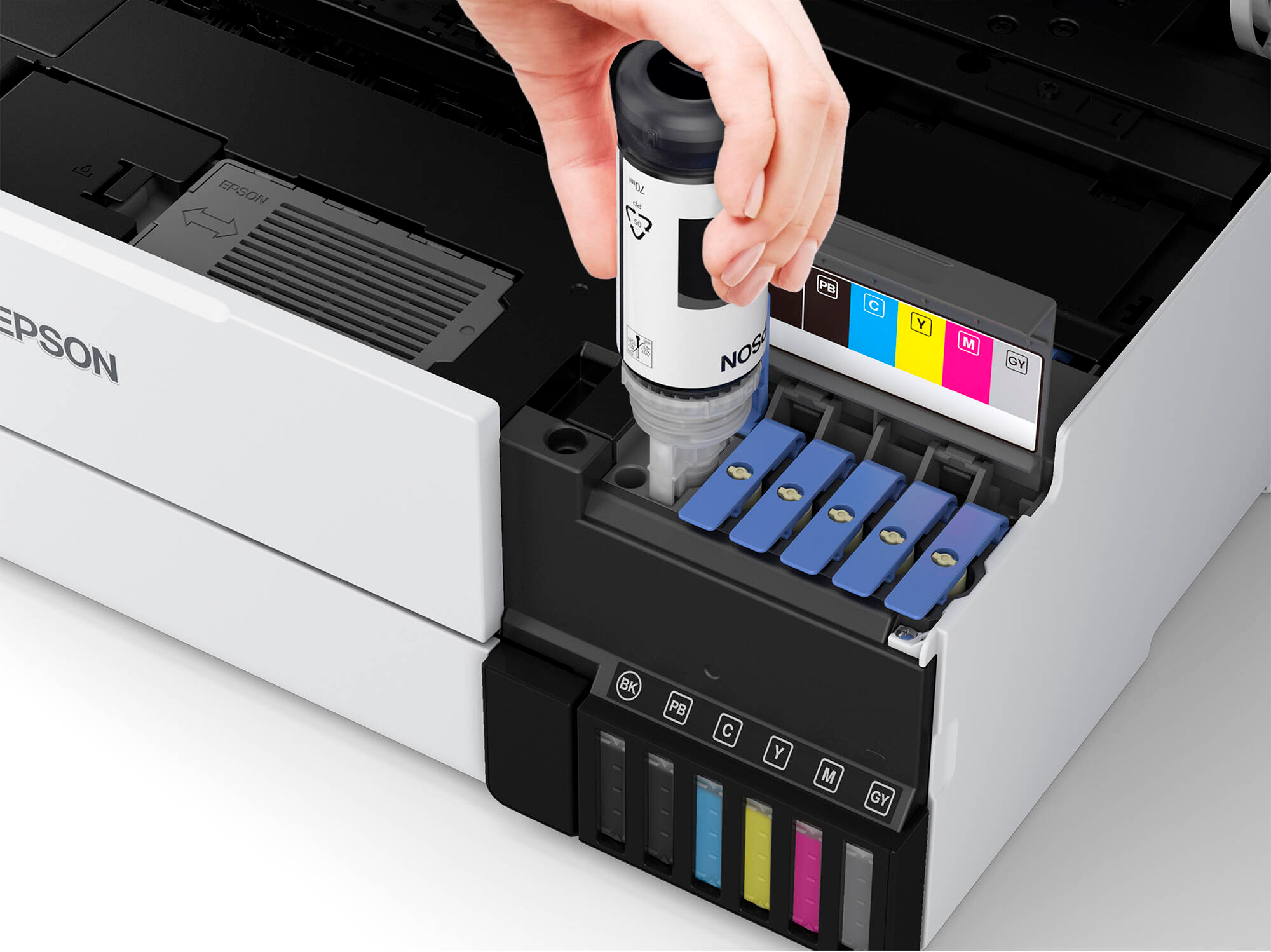
Printer ink vs toner is not just a matter of preference. They are two completely different technologies. Ink is a liquid – it sits inside a cartridge, gets sprayed onto the page in tiny droplets, and dries on contact. Toner is a fine dry powder used in laser printers; it is fused directly onto paper using heat.
That difference in how they work drives everything: print quality, speed, shelf life, and critically, printer running costs. If you are doing an inkjet vs laser printer comparison and only looking at the device price, you are solving the wrong problem.
The Real Cost Per Page
Here is where it gets eye-opening. A typical ink cartridge costs around £15-20 and yields roughly 200 pages. That puts your cost per page at approximately 8-10 pence. A standard toner cartridge can cost £50-80 but will yield 2,000 pages or more; that brings your cost per page down to around 2-4 pence.
Run the numbers over a year of regular home office printing and the gap is enormous. Print 3,000 pages annually and you are looking at roughly £270 in ink versus about £90 in toner. That is a saving of £180 per year – from one simple switch.
Toner cartridge page yield is the key metric most buyers completely ignore. Page yield comparison is where laser printers win, almost every time, for anyone printing at moderate to high volume.
The Hidden Costs of Ink Cartridges
The cartridge price is only part of the story. Inkjet printers run cleaning cycles every time you switch them on – sometimes even when idle. These cycles flush ink through the print heads to stop them clogging. The result? You are burning through printer cartridge costs without printing a single useful page.
Ink drying out is another silent drain on your budget. Leave an inkjet unused for a few weeks and you may return to a cartridge that is half-empty from evaporation and blocked nozzles. Toner does not have this problem. Because toner powder vs liquid ink is such a fundamental difference, toner cartridges can sit unused for a year or more without degrading.
For anyone searching for the best printers for home office use, or trying to build an affordable office printing setup, this stability matters enormously.
When Does the Laser Printer Upfront Cost Pay Off?
Yes, laser printers cost more to buy. A decent entry-level model starts around £150-200 compared to £60-80 for an inkjet. And toner cartridge replacement costs more at the checkout. But the laser printer upfront cost typically pays for itself within 12 months for anyone printing more than 500 pages a year.
If you are doing a proper office printer comparison, also factor in speed. Laser printers handle 20+ pages per minute; most inkjets top out at six. For high print volume environments – home offices, small businesses, freelancers – that speed difference alone reduces downtime significantly.
Brands like Lexmark printers are well known for producing reliable laser models that deliver strong page yields at a competitive cost per page – making them a sensible choice for anyone serious about keeping printing costs under control.
So Which Should You Choose?
If you mostly print photos, use your printer infrequently, or need a cheap wireless printer setup for light home use, an inkjet can still make sense. Ink excels at colour fidelity and photo quality on glossy paper.
But if you need an all-in-one printer for regular document printing; invoices, reports, contracts, or any text-heavy work; toner is cheaper, faster, and far more reliable. The printer running costs over two to three years will make the decision obvious.
Stop thinking about what the printer costs to buy. Start thinking about what it costs to run. That single shift in perspective will save you money every single month.
