

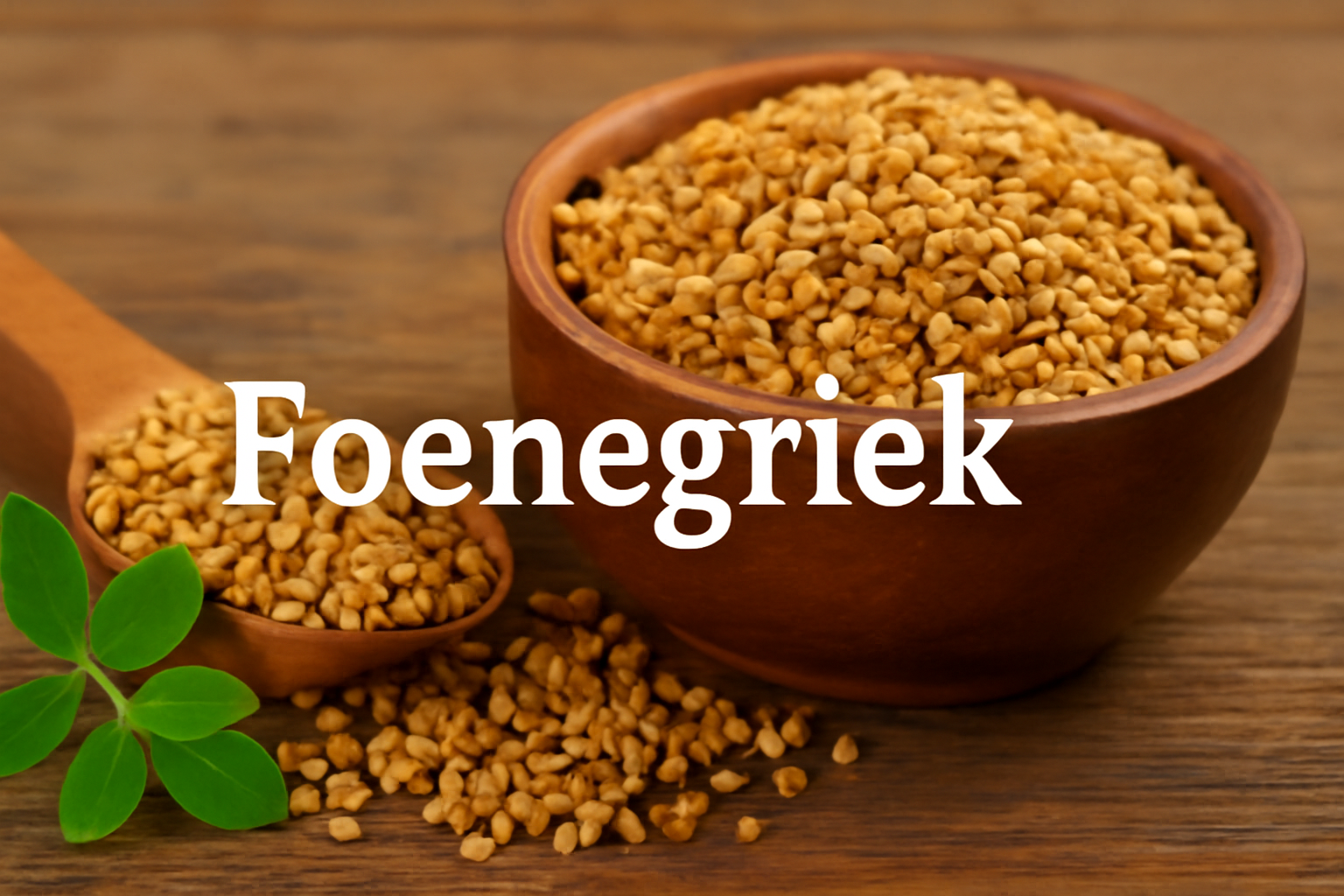
Foenegriek, known globally as fenugreek, is a herb that has gained significant popularity due to its remarkable health benefits and culinary versatility. With its origins in the Mediterranean region, foenegriek is now enjoyed worldwide for both its medicinal uses and distinct flavor. Whether in the form of seeds, leaves, or powder, foenegriek offers a wide range of applications that can support your health while enhancing your meals. Let’s delve into the various reasons why foenegriek should be a staple in your home.
What is Foenegriek?
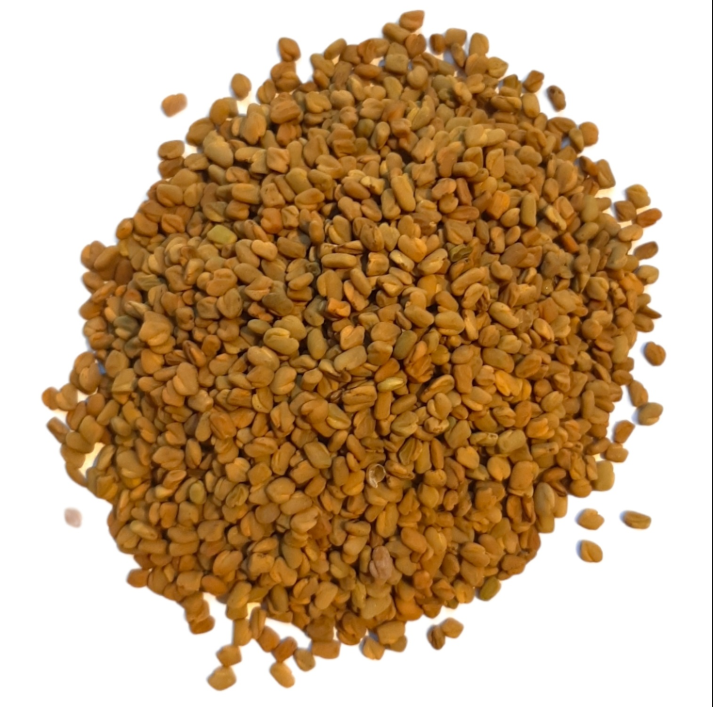
Foenegriek (Trigonella foenum-graecum) is a leguminous plant that produces small, golden-brown seeds with a strong, slightly bitter taste. People often grind these seeds into powder, which becomes a common ingredient in many spice blends, especially in Indian, Middle Eastern, and Mediterranean cuisines. Apart from the seeds, cooks also use foenegriek’s leaves in cooking, adding a unique flavor to dishes. The plant is renowned for its nutritional value and its ability to offer numerous health benefits.
Health Benefits of Foenegriek
Foenegriek has been used for centuries for its medicinal properties. From digestive support to blood sugar regulation, foenegriek offers several ways to boost your health:
1. Improves Digestion
Foenegriek seeds are rich in soluble fiber, which aids in digestion by promoting regular bowel movements and easing constipation. Additionally, foenegriek is known to stimulate bile production, which helps in the digestion of fats and supports liver health.
2. Regulates Blood Sugar Levels
For those with diabetes or anyone looking to manage their blood sugar levels, foenegriek is a valuable herb. Studies show that the seeds of foenegriek can improve insulin sensitivity and slow down the absorption of sugars, thereby helping to regulate blood glucose levels effectively.
3. Supports Breast Milk Production
One of the most widely known uses of foenegriek is its ability to increase breast milk production in nursing mothers. Thanks to its phytoestrogen content, which mimics the hormone estrogen, foenegriek has been used for centuries as a natural galactagogue — a substance that promotes milk production.
4. Promotes Heart Health
Foenegriek can contribute to better cardiovascular health. The herb is known for its anti-inflammatory and antioxidant properties, which can help reduce bad cholesterol (LDL) levels and increase good cholesterol (HDL), thus promoting overall heart health.
5. Fights Inflammation
The anti-inflammatory properties of foenegriek make it a powerful ally in reducing inflammation throughout the body. Regular consumption of foenegriek may help alleviate symptoms of conditions like arthritis, muscle soreness, and joint pain.
6. Enhances Skin Health
Foenegriek seeds are rich in antioxidants, which are essential for maintaining healthy skin. The herb is known to treat acne, soothe irritated skin, and even reduce the appearance of blemishes and dark spots. Some people use foenegriek as a natural remedy for various skin conditions, including eczema and rashes.
Culinary Uses of Foenegriek
Aside from its medicinal benefits, foenegriek is a key ingredient in many dishes, especially in Indian and Middle Eastern cuisines. Here’s how you can use foenegriek in your cooking:
1. In Curries and Spice Blends
Foenegriek is commonly used in spice mixes like garam masala, and its seeds are often toasted to enhance their flavor. Adding foenegriek to curries, soups, and stews imparts a warm, slightly bitter, and nutty flavor to the dish.
2. As a Flavoring Agent in Baking
Ground foenegriek seeds can be incorporated into baked goods such as bread and muffins. The slight bitterness of foenegriek balances the sweetness of the other ingredients, making it a perfect addition to a variety of baked treats.
3. Foenegriek Tea
You can steep foenegriek seeds in hot water to make a herbal tea, which provides digestive support, reduces inflammation, and offers other health benefits. A simple cup of foenegriek tea is an excellent way to enjoy the benefits of this herb.
4. In Pickles and Chutneys
Foenegriek is also commonly used in the making of pickles and chutneys. The seeds or leaves add a distinctive flavor and aroma, enhancing the brine or sauce. This use of foenegriek is especially popular in Indian cuisine.
Nutritional Value of Foenegriek
Foenegriek is not only a flavorful addition to your meals but also a nutritional powerhouse. It is rich in fiber, protein, and essential minerals like iron, magnesium, and manganese. These nutrients support a variety of bodily functions, from muscle health to immune function and bone health.
The herb also packs vitamins such as Vitamin A, Vitamin C, and folic acid, which help maintain healthy vision, skin, and immune health. Because of its impressive nutrient profile, foenegriek can be an excellent addition to a well-balanced diet.
How to Use Foenegriek
There are several ways you can incorporate foenegriek into your daily routine. Here are some common methods:
- Foenegriek Tea: Steep 1–2 teaspoons of foenegriek seeds in hot water for several minutes to make a soothing tea.
- In Cooking: Add ground foenegriek to curries, soups, or baked goods for a distinctive flavor.
- Foenegriek Supplements: Foenegriek is available in supplement form, such as capsules or tablets, for those looking to target specific health benefits, like blood sugar regulation or milk production.
- Topical Use: You can also make foenegriek seeds into a paste and apply it to the skin for acne treatment or to soothe irritated skin.
Conclusion
Foenegriek is more than just a flavorful herb; it is a powerhouse with numerous health benefits and culinary uses. From aiding digestion and managing blood sugar levels to promoting heart health and improving skin conditions, foenegreek is a versatile herb that can enhance both your wellness and your meals. Whether used as a spice, supplement, or in tea, foenegriek’s rich nutritional profile and health-promoting properties make it a valuable addition to any lifestyle. So, consider adding foenegriek to your kitchen and daily routine for its many amazing benefits!

6 Comments
Pingback: Samoan to English Translation A Complete Guide to Language
Pingback: What You Need to Know About United Airlines Flight UA770's Emergency Diversion - Magazine Zilla
Pingback: Sodiceram The Future of High-Performance Ceramic in Modern Design - Magazine Zilla
Pingback: Discover Nerovet AI The Revolutionary Technology
Pingback: Discover Insoya: Its Purpose, Benefits, and Real-World Uses - Magazine Zilla
Pingback: Essential Baby and Toddler Equipment: Lumolog Safe, Functional, and Stylish Gear for Your Little One