

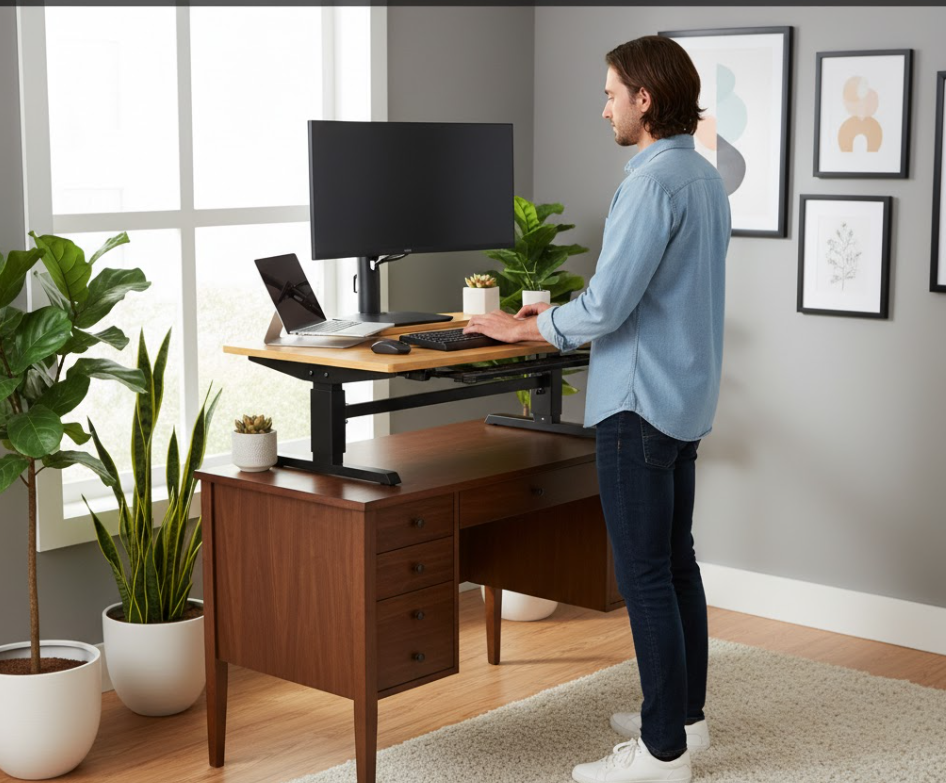
In recent years, the traditional office setup has undergone a dramatic transformation. As remote work and flexible offices become the norm, employees and employers alike are seeking ergonomic solutions that promote health and productivity. One of the most popular innovations in this space is the riser desk. But what is a riser desk, and why is it gaining so much attention? Understanding this modern office tool can help you make informed choices for a healthier, more efficient workspace.
A riser desk, also known as a standing desk converter, is an adjustable platform that sits on top of an existing desk, allowing users to alternate between sitting and standing throughout the day. Unlike full-height standing desks that replace your traditional desk, riser desks provide flexibility without requiring a complete office overhaul. They come in various designs, materials, and mechanisms, ranging from manual lift models to advanced electric versions. This combination of adaptability and affordability has made riser desks a practical solution for both home and professional offices.
The Evolution of the Riser Desk
The concept of a riser desk emerged from the growing awareness of sedentary lifestyles and their impact on health. Studies consistently show that sitting for prolonged periods is linked to obesity, cardiovascular disease, and decreased productivity. As a result, office ergonomics has shifted from simply providing chairs and desks to designing dynamic work environments that encourage movement.
Also Read: Cevurı A Culinary Treasure of Turkish Tradition
Initially, standing desks were bulky and expensive, limiting their accessibility. Riser desks bridged this gap by offering a cost-effective and space-saving alternative. With a riser desk, users can maintain their current desk setup while gaining the ability to stand for short periods, which has been shown to improve circulation, energy levels, and overall workplace well-being.
Key Features of a Riser Desk
Understanding the features of a riser desk can help you determine which model best suits your needs. One of the most important aspects is adjustability. Many riser desks feature spring-assisted or pneumatic lifts that allow smooth height transitions. This ensures that users of different heights can customize the workspace for maximum comfort.
Another critical feature is surface area. A riser desk should have enough room for a computer, monitor, keyboard, and essential accessories without feeling cramped. Some models include additional tiers or shelves to accommodate multiple monitors or document trays. Material quality is equally important, as sturdy construction prevents wobbling and ensures durability over time.
Ease of use is also essential. The best riser desks allow for quick transitions between sitting and standing positions, ideally within a few seconds. This seamless experience encourages users to alternate positions frequently, promoting better posture and reducing fatigue.
Health Benefits of Using a Riser Desk
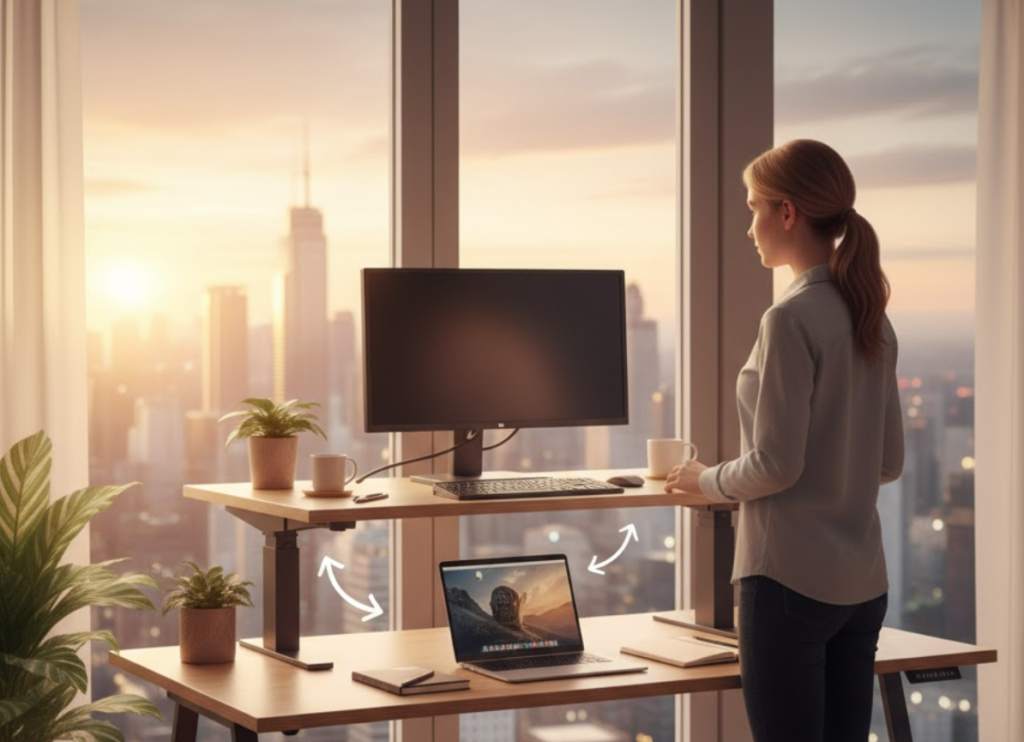
The primary advantage of a riser desk is its positive impact on health. Alternating between sitting and standing can help reduce the risks associated with prolonged sitting, such as lower back pain and poor posture. Ergonomic studies indicate that standing for 30 to 60 minutes every hour can significantly decrease musculoskeletal discomfort.
Moreover, riser desks can boost energy levels and mental alertness. When standing, circulation improves, oxygen intake increases, and the body burns more calories compared to sitting. This subtle increase in physical activity throughout the workday can have long-term health benefits, including weight management and improved cardiovascular function.
Beyond physical health, riser desks can also support cognitive performance. Some research suggests that standing while working can improve focus, creativity, and decision-making. By incorporating movement into your daily routine, you may experience enhanced productivity and reduced mental fatigue.
Choosing the Right Riser Desk
Selecting a riser desk involves evaluating your workspace, personal preferences, and budget. First, consider the size of your current desk. Riser desks come in various widths and depths, and choosing one that fits seamlessly will maximize functionality and aesthetic appeal.
Next, assess your preferred height range. If multiple users share the desk, a model with a wide adjustment range is ideal. Pay attention to the lifting mechanism—manual, spring-assisted, or electric—depending on your comfort and frequency of adjustments. While electric models offer convenience and precision, manual risers tend to be more budget-friendly and require less maintenance.
Another consideration is additional features. Some riser desks include built-in cable management systems, keyboard trays, or monitor arms, which can enhance organization and ergonomics. Material quality is crucial for long-term use; solid wood, metal, or high-grade composites provide durability and stability.
Maximizing Productivity With a Riser Desk
A riser desk is not just a health tool—it’s a productivity enhancer. To make the most of your riser desk, it’s important to establish a routine that balances sitting and standing. Start by alternating every 30 to 60 minutes, gradually increasing standing intervals as your body adjusts.
Also Read: Japanese Head Spa Benefits: The Ultimate Guide to Healthier Hair and Deep Relaxation
Position your monitor at eye level and keep your keyboard and mouse at elbow height to reduce strain. Footwear and anti-fatigue mats can also improve comfort during longer standing periods. Additionally, incorporate movement throughout the day, such as short walks or stretching, to complement the benefits of a riser desk.
For teams in collaborative office settings, riser desks can foster flexibility and engagement. Employees who can choose between sitting and standing often report higher satisfaction, reduced stress, and improved workflow efficiency. This adaptability is especially valuable in open offices and co-working environments.
Riser Desk vs. Traditional Standing Desk
While both riser desks and traditional standing desks aim to reduce sedentary behavior, there are key differences. Traditional standing desks replace your existing desk and often feature larger work surfaces, integrated storage, and more advanced ergonomics. They may be ideal for permanent home offices or workplaces designed for standing activity.
Riser desks, on the other hand, are portable, cost-effective, and require minimal installation. They are particularly suitable for shared workspaces or temporary setups. Despite their smaller footprint, modern riser desks offer many of the same health benefits, making them an excellent compromise for users seeking flexibility without a full desk replacement.
Common Misconceptions About Riser Desks
Some individuals assume that standing all day is healthier than sitting, but this is a misconception. Excessive standing can cause fatigue, joint strain, and varicose veins. The key is balance—using a riser desk to alternate positions throughout the day is far more effective than standing continuously.
Another myth is that riser desks are only beneficial for office workers. In reality, they are ideal for anyone who spends extended periods at a computer, including students, freelancers, and remote professionals. The versatility of a riser desk allows it to adapt to diverse work environments and lifestyles.
The Future of Workspace Ergonomics
Riser desks are part of a broader trend toward dynamic workspaces. Companies are increasingly investing in ergonomic solutions that promote employee well-being and productivity. As technology advances, we can expect more smart features in riser desks, such as programmable height presets, posture reminders, and integrated health tracking.
Home offices will also continue to benefit from riser desks, particularly as remote work remains prevalent. Their compact design, affordability, and health benefits make them a practical solution for creating ergonomic, efficient, and enjoyable work environments.
Conclusion
Understanding what a riser desk is and how it functions can transform the way you work. By allowing users to switch between sitting and standing, riser desks promote better health, increased energy, and enhanced productivity. Whether for a home office or a professional workspace, these versatile platforms are a smart investment for anyone looking to create an ergonomic, modern, and adaptable work environment.
Also Read: Souvite The Modern Precision Cooking Method Transforming Home Kitchens
Incorporating a riser desk into your daily routine is not just about comfort—it’s about fostering long-term health and efficiency. By choosing the right model, using it effectively, and balancing movement throughout the day, you can maximize the benefits and enjoy a more dynamic, sustainable approach to work.
FAQs
What is a riser desk used for?
A riser desk allows users to alternate between sitting and standing while working, promoting better posture, circulation, and energy levels.
Can I use a riser desk on any desk?
Most riser desks are designed to fit standard desks, but it’s important to check the dimensions and weight capacity for compatibility.
Are riser desks expensive?
Riser desks range from affordable manual models to higher-end electric versions, making them accessible for various budgets.
How long should I stand at a riser desk?
It’s recommended to alternate every 30 to 60 minutes, gradually increasing standing intervals to avoid fatigue.
Do riser desks improve productivity?
Yes, many users report enhanced focus, energy, and workflow efficiency when incorporating a riser desk into their routine.
For more updates visit: MAGAZINE ZILLA
